






What makes an acoustic solution successful?
Many organisations invest in acoustic panels, ceiling islands, or baffles. Yet, not every measure yields the same result. Sometimes, there is still unrest in the space. In other cases, a room may feel overly silent. A successful acoustic solution, therefore, is not just about the product itself. Success depends on the function of the space, the desired sound experience, the absorption value of the material, and the expectations of the users. In this blog, we explain how to determine whether an acoustic solution is truly successful.
Birgit Brinks
27 July 2026
When is an acoustic solution successful?
Many people assess acoustics with one simple question: ‘Is the reverberation gone?’ That is understandable, but a good acoustic environment is about more than just reverberation reduction. A successful solution provides:
- Good speech intelligibility
- Sufficient rest and concentration
- A pleasant noise level
- Appropriate privacy
- A natural sound experience
- Comfort for the users
What is successful in a meeting room does not necessarily have to be successful in a restaurant, sports hall, or office.
The function of the space determines the acoustic requirements
A common mistake is applying the same solution in different spaces. Each space has its own purpose, after all.
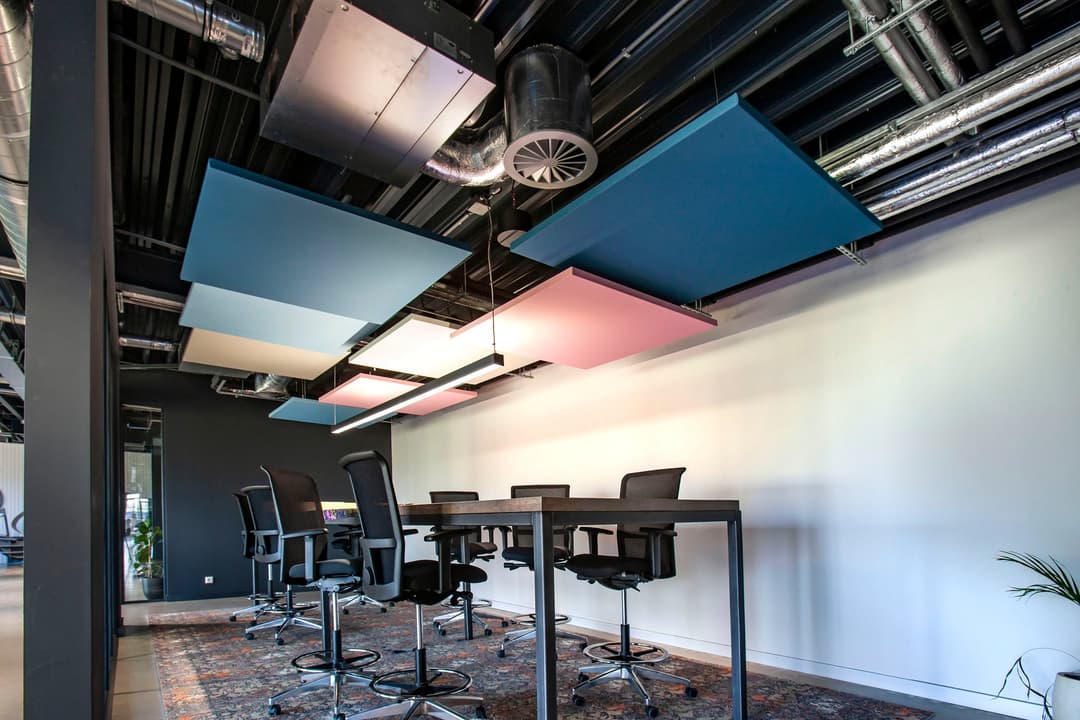
Meeting rooms
In a meeting room participants must be able to understand each other effortlessly. Reflections and background noise should not disturb conversations. Key points of focus:
- High speech intelligibility
- Low reverberation
- Quiet sound environment
Offices
In the office, along with clarity, concentration and privacy also play an important role. Too much noise is distracting. Too little background sound makes colleagues' conversations especially audible. Key points to consider:
- Concentration
- Speech Privacy
- Controlled Sound Level
Restaurants and hospitality
A restaurant doesn't need to be quiet. Guests actually expect atmosphere and liveliness. The goal is therefore to find the right balance between cosiness and intelligibility. Key points of focus:
- Cozy sound experience
- Comfort for guests
- Good clarity at the table
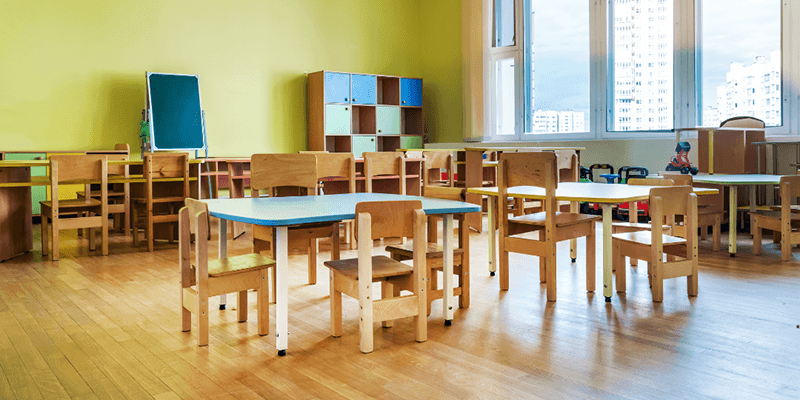
Education
Students need to be able to clearly understand the teacher's instructions. Teachers do not want to waste energy by constantly speaking louder. The main points of focus for educational institutions are:
- Clear speech
- Low background noise
- Less listening effort
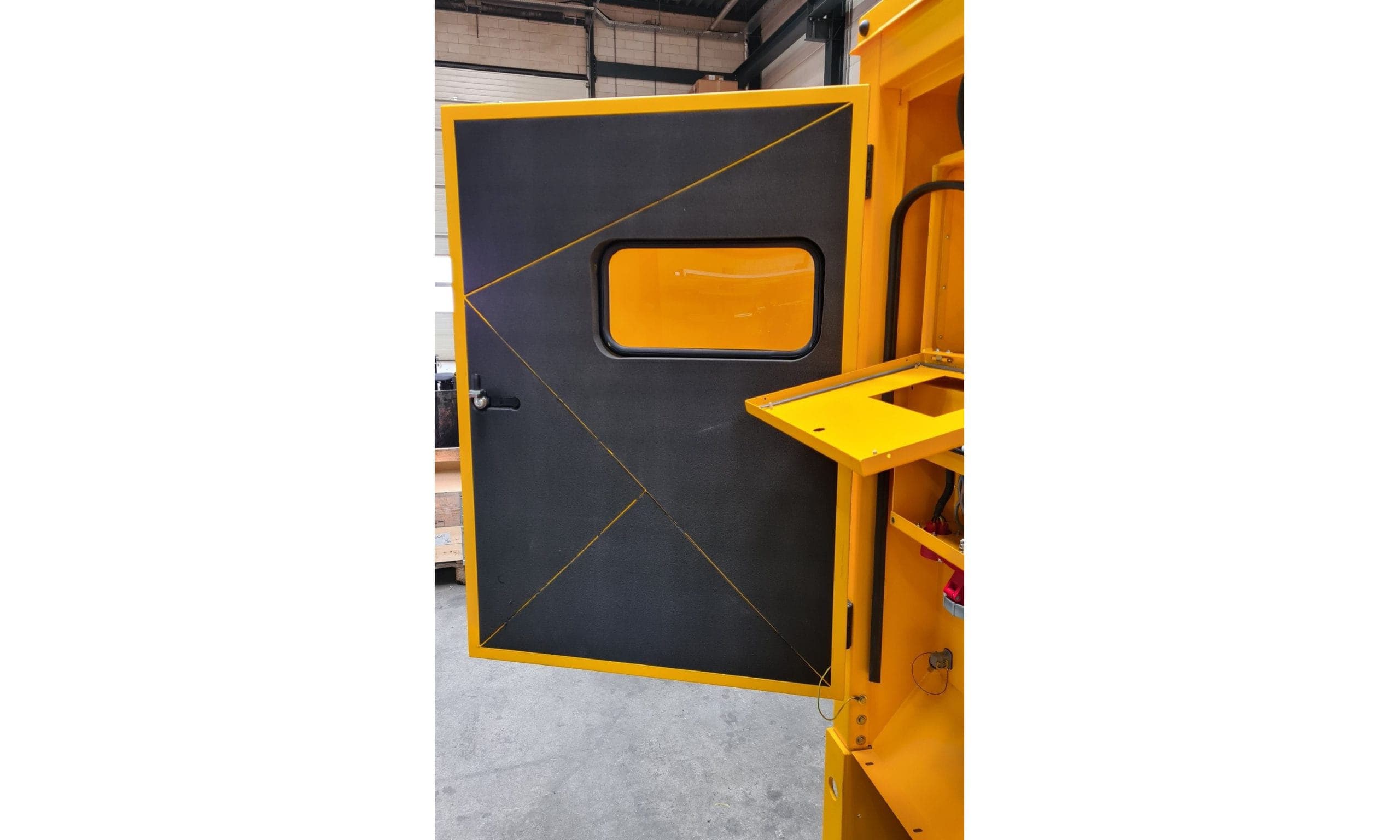
Industry and Production
In production and industry halls, communication, safety, and comfort play an important role. Key focus points:
- Clear communication
- Safe working environment
- Less noise stress
Which reverberation time suits which space?
A successful acoustic solution does not focus on achieving the lowest possible reverberation time. The ideal reverberation time depends on the function of the space.
The reverberation time indicates how long sound remains audible after the sound source has stopped. The longer the reverberation time, the more sound accumulates in a space. The shorter the reverberation time, the quieter a space sounds. The guideline values shown on the right provide a good indication for different uses:
These values are guidelines. The ideal acoustics always depend on the volume of the space, the interior furnishings, the number of users, and the activities taking place.


Shorter isn’t always better
Many people believe that an as short as possible reverberation time automatically leads to better acoustics. That is not the case. A restaurant with a reverberation time of 0.3 seconds often feels unnatural and lacks liveliness. Conversely, a reverberation time of 2 seconds in a meeting room makes conversations less intelligible. Good acoustics therefore come down to balance. The acoustic performance must align with what people are doing in the space.
What level of absorption does a panel need to have?
A question we often receive is: ’What absorption value should an acoustic panel have?’ The short answer is: it depends on the situation.
What does absorption value mean?
The absorption value indicates how much noise a material absorbs. This value ranges between 0 and 1.
- 0.00 = no absorption
- 0.50 = absorbs approximately 50% of the sound
- 1.00 = absorbs virtually all incident sound
A product with a high absorption value therefore absorbs more sound than a product with a low value.
Is a value of 1.00 always necessary?
No. A high absorption value is valuable, but it is only one part of a successful acoustic solution. A panel with an absorption value of 1.00 absorbs almost all the sound that hits it. However, this does not automatically mean that the space sounds pleasant. The final result depends on the total amount of absorption in the room, the placement of the materials, and especially the function of the space. A small number of panels with a very high absorption value often has less effect than a larger surface area with a slightly lower absorption value.
Additionally, it is important to realise that a space does not always have to be as silent as possible. Good acoustics are about balance. People want to understand each other, be able to concentrate, and feel comfortable in a space. A well-known example of this is a space at TU Delft, the dead room, which is specially designed to absorb almost all sound reflections. In this extremely quiet space, you can even hear your own breathing, heartbeat, and body movements. Although this is technically an exceptional acoustic achievement, many people find the space uncomfortable and even unpleasant. It shows that maximum sound absorption does not automatically lead to maximum comfort.
A successful acoustic solution therefore does not focus on achieving the highest absorption value, but on creating the right sound experience for the users of the space. That is why we always consider:
- The function of the space
- The desired sound level
- The reverberation time
- The speech intelligibility
- The amount of absorption surface
- The positioning of the absorption materials
- The user experience
Absorption class often indicates more than one number
Many manufacturers specify a single absorption value. However, the absorption class often provides a better indication of performance. Within Europe, we often use the following classification:
- Class A = Very high absorption
- Class B = High absorption
- Class C = Moderate absorption
- Class D and below = Limited absorption
For many offices, schools and meeting rooms, products with absorption class A provide an excellent basis. These products absorb a large portion of incoming sound and thus effectively help to shorten reverberation time and improve speech intelligibility. However, the absorption class of a product does not automatically determine the final result. A space with a few high-quality panels can still sound restless if the absorption surface is too small or if the panels are hung in the wrong place. Conversely, a well-designed solution with more absorption surface can often deliver better results than a space with only a few panels of the highest absorption class.
Additionally, the ideal acoustics vary per room. In a meeting room, a lot of sound absorption is often desirable, whereas a restaurant or gathering space should maintain a certain liveliness. Too much absorption can cause a room to feel unnaturally quiet or even uncomfortable. A successful acoustic solution therefore considers not only the absorption class of a product but the overall picture: the function of the space, the desired reverberation time, the noise level, the absorption surface, and the user experience. It is precisely this combination that determines whether people perceive a space as pleasant.
What is the ideal sound level?
Many people think that a space should be as quiet as possible. That is not correct. A completely silent space often feels unnatural, think of the example given earlier in this blog about the silent room at TU Delft. Additionally, silence makes conversations over longer distances easier to hear. Therefore, the desired sound level varies depending on the intended use.
In offices
An office requests a quiet environment where employees can concentrate without complete silence. It's about finding a balance between focus and communication.
In restaurants
A restaurant can sound lively. Too low a noise level often drains energy from the space. However, guests still want to be able to hear each other without raising their voices.
In education
A calm learning environment helps students to follow instructions more easily and process information more readily.
In care environments
Here, acoustic comfort often plays an important role for both clients and staff. Less noise provides more peace and fewer stimuli, which contributes to a better recovery process and improved work performance.
When do you add sound masking?
Many people immediately think of absorption when considering acoustics. However, absorption does not always provide the complete solution. Especially in modern offices, a different challenge often arises: conversations remain intelligible over long distances.
What is sound masking?
Sound masking adds a subtle background sound to the space. This sound resembles a gentle breeze or neutral noise. The system reduces the intelligibility of conversations at greater distances. The aim is not to overamplify the sound. The goal is to reduce distractions and increase privacy.
When Does Sound Masking Work Well?
Sound masking often goes well in:
- Open offices
- Call centres
- Care institutions
- Government buildings
- Financial organisations
We often see that the best results come from a combination of:
- Sound absorption
- Smart space layout
- Sound masking
Why User Experience Is Just As Important As Metrics
Acoustics consist of numbers and experience. A space can technically score perfectly while users are still dissatisfied. Conversely, it can also happen that a space does not fully meet the theoretical standard, but is still perceived as pleasant. That is why we always look at both sides of the story:
Objective factors
- Sleep Time
- Sound Level
- Absorption Surface
- Speech Intelligibility
Subjective factors
- Experienced Rest
- Concentration
- Privacy
- Comfort
- User Satisfaction
It is precisely the combination of these factors that determines whether a project is ultimately successful.
More panels do not automatically mean a better result
A common misconception is that extra panels automatically improve acoustics. That is not correct. A successful solution looks at:
- The correct amount of absorption
- The correct placement
- The correct material choice
- The desired function of the space
Good acoustics are all about balance. Too little absorption Causes unrest. Too much absorption can make a space Feel unnatural.
Conclusion
A successful acoustic solution is not recognised by the number of panels or a high absorption value. Success occurs when the acoustics align with the purpose of the space and the needs of the users. That's why acoustic consultants consider multiple factors simultaneously: absorption class, reverberation time, sound levels, privacy, speech intelligibility, and user experience. Only when these elements work well together does a space emerge where people can work, learn, meet, or relax comfortably. And that is ultimately the best measure of a successful acoustic solution.
FAQ
What makes an acoustic solution successful?
An acoustic solution is successful when it aligns with the function of the space and the needs of the users. Factors such as reverberation time, speech intelligibility, noise levels, privacy, and acoustic comfort play an important role.
Is a high absorption value always better?
No. A high absorption value helps in absorbing sound, but it does not solely determine the final result. The absorption surface, the placement of the materials, and the use of the space also have a major influence on the final acoustic performance.
What is the difference between absorption value and absorption class?
The absorption coefficient indicates how much sound a material absorbs. The absorption class shows how a product performs according to a standardised classification. As a result, the absorption class often provides a better indication of the overall acoustic performance.
How do you determine if an acoustic project has been successful?
An acoustic project is successful when users experience greater comfort and the space better suits its intended use. Both objective factors, such as reverberation time and sound level, and subjective factors, such as concentration and satisfaction, are important.
Why don't more acoustic panels always deliver better results?
More panels don't automatically mean better acoustics. The amount of absorption should match the space. Too much absorption can make a room feel unnaturally quiet, while too little absorption can lead to echo and unrest.